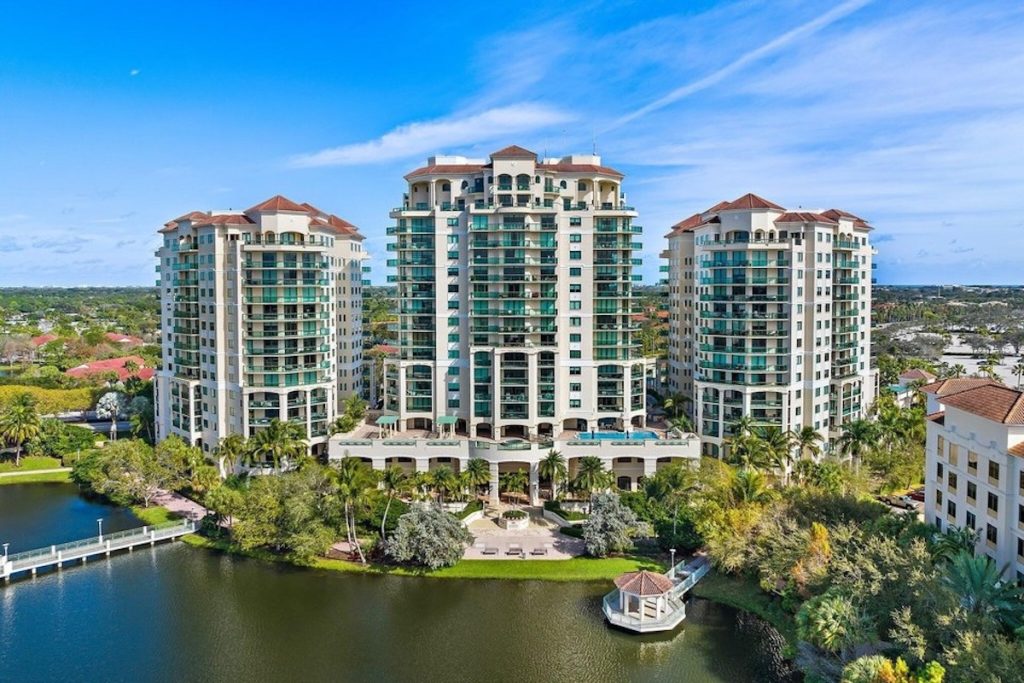
Palm Beach Gardens, Florida, boasts beautiful homes, golf courses, and proximity to the Atlantic—but its subtropical climate brings high humidity, frequent rain, and hurricane risks that make mold a common and serious household issue. Mold thrives in the area’s warm, moist conditions, often hiding behind walls, in attics, or HVAC systems after leaks, flooding, or poor ventilation. Left unchecked, it can damage property, trigger allergies or respiratory problems, and lower home values.
Hiring the right mold remediation company is critical. Florida law regulates this strictly, and improper work can spread spores or leave health hazards. This guide provides practical, step-by-step tips tailored to Palm Beach Gardens homeowners, drawing from state requirements, industry best practices, and local realities.
Why Mold Is Especially Problematic in Palm Beach Gardens
Florida ranks among the top states for mold claims, with over 264,000 filed in recent years. In Palm Beach Gardens and northern Palm Beach County, common triggers include:
- High year-round humidity (often 70-90%) and AC condensation.
- Roof, window, or plumbing leaks exacerbated by storms.
- HVAC system issues like clogged drain pans or poor maintenance.
- Flooding or storm surge from hurricanes and tropical weather.
Frequent molds here include Stachybotrys (black mold), Aspergillus, Cladosporium, Penicillium, and Alternaria. These can cause allergic reactions, asthma flare-ups, or more serious effects in sensitive individuals.
Act quickly if you notice musty odors, visible discoloration, water stains, or unexplained health symptoms. For small areas (<10 square feet), DIY removal may suffice with proper precautions—but larger or hidden growth requires professionals.
Florida’s Strict Mold Licensing Laws
Florida is one of the few states requiring specific licenses for mold work. Under Chapter 468, Part XVI of the Florida Statutes, anyone performing mold assessment or remediation on areas greater than 10 square feet must be licensed by the Department of Business and Professional Regulation (DBPR).
- Mold Assessor: Conducts inspections, testing, and writes remediation protocols.
- Mold Remediator: Performs the actual removal and cleanup.
Key rules:
- Assessors and remediators must pass a state-approved exam, meet education/experience requirements (e.g., associate degree + 1 year field experience or high school diploma + 4 years), carry $1 million in general liability insurance, and pass a background check.
- Critical tip: Use a separate licensed mold assessor first. Never hire the same company (or affiliated one) for both assessment and remediation—this avoids bias and inflated scopes.
How to verify a license (takes 2 minutes):
- Go to the DBPR website: myfloridalicense.com (License Search).
- Search by name or license number.
- Check status, complaints, and expiration.
Unlicensed work is illegal, may void insurance claims, and leaves you unprotected.
How to Hire a Reputable Mold Remediation Company
Follow this process to protect your home and wallet.
- Schedule an Independent Mold Assessment
Hire a licensed mold assessor (not a remediator) for a thorough inspection, including moisture mapping, air/surface sampling if needed, and a written protocol. This document details the problem, containment needs, and remediation steps. Expect costs of a few hundred dollars. - Research Licensed Remediators
Search locally via Thumbtack, Yelp, Angi, or Google for “Palm Beach Gardens mold remediation.” Prioritize companies with:- Active DBPR Mold Remediator license.
- IICRC (Institute of Inspection, Cleaning and Restoration Certification) S520 certification—the gold-standard ANSI-accredited guideline for professional mold remediation.
- Local experience handling Florida humidity, hurricanes, and insurance claims.
- Full insurance (general liability + workers’ comp).
- Get Multiple Written Quotes
Obtain at least 3 detailed bids based on the assessor’s protocol. Compare scope, timelines, containment methods, and post-verification testing. - Check References and Reviews
Ask for recent local references. Read Google, Yelp, and Angi reviews for Palm Beach Gardens-specific jobs. Look for mentions of thoroughness, communication, and cleanup. - Review the Contract Thoroughly
Ensure it includes:- Exact scope matching the assessor’s protocol.
- Containment procedures (HEPA air filtration, physical barriers).
- Disposal of contaminated materials.
- Post-remediation verification (clearance testing by an independent assessor).
- Warranty (typically 1-5 years on workmanship).
- Timeline and payment schedule (never pay in full upfront).
Essential Questions to Ask Potential Remediation Companies
- Are you licensed by Florida DBPR as a Mold Remediator? (Get license number.)
- Do you carry $1M+ liability insurance? Can you provide proof?
- What industry standards do you follow (e.g., IICRC S520, EPA guidelines)?
- How will you contain mold spores during work?
- Will you provide before/after photos and clearance testing?
- Have you handled insurance claims in Palm Beach County?
- What is your plan to address the moisture source (not just the mold)?
The Red Flags to Avoid
- Companies offering “free” assessments then pushing remediation (conflict of interest).
- Unlicensed or out-of-state contractors without Florida credentials.
- Bids far below market without explanation.
- Pressure to start immediately without a written protocol.
- No mention of containment or post-job verification.
- Poor online reviews or unresolved complaints on DBPR.
What the Mold Remediation Process Should Look Like
A professional job follows these steps:
- Containment — Seal off the area with plastic and negative air pressure.
- Removal — Physically remove porous materials (drywall, insulation, carpet) that can’t be cleaned.
- Cleaning — HEPA vacuuming, antimicrobial treatments on non-porous surfaces.
- Drying & Dehumidification — Address the root cause (leaks, ventilation).
- Post-Remediation Verification — Independent assessor confirms mold levels are safe.
The entire process can take days to weeks depending on scope.
Remediation Cost Expectations in Palm Beach Gardens
Typical costs range from $1,200–$3,750 for an average job, or roughly $10–$25 per square foot. Local estimates in Palm Beach Gardens often fall around $1,800–$2,000 for standard cases, but factors include:
- Size and location (attic/HVAC more expensive).
- Type of mold and materials removed.
- Need for structural repairs.
Check up on your homeowner’s or flood insurance—many policies cover sudden water damage leading to mold (but not long-term neglect). Document everything for claims.
Mold Prevention Tips to Avoid Future Problems
After mold remediation:
- Fix all moisture sources immediately.
- Maintain HVAC filters and annual servicing.
- Use dehumidifiers to keep indoor humidity <50%.
- Ensure proper ventilation in bathrooms, kitchens, and attics.
- Inspect after storms.
- Consider mold-resistant building materials in renovations.
Get the Best Mold Remediation Service for Your Needs
Don’t rush—getting professional mold remediation in Palm Beach Gardens is an investment in your family’s health and your home’s value. In Palm Beach County, prioritizing licensed, IICRC-certified professionals who follow state law and industry standards will give you peace of mind. Start with a licensed assessor, verify credentials on the DBPR site, and choose a company with proven local experience.
If you’re dealing with visible mold or suspect issues, contact a licensed professional today. Acting early saves time, money, and stress. Your home (and lungs) will thank you! Stay safe and mold-free in beautiful Palm Beach Gardens.