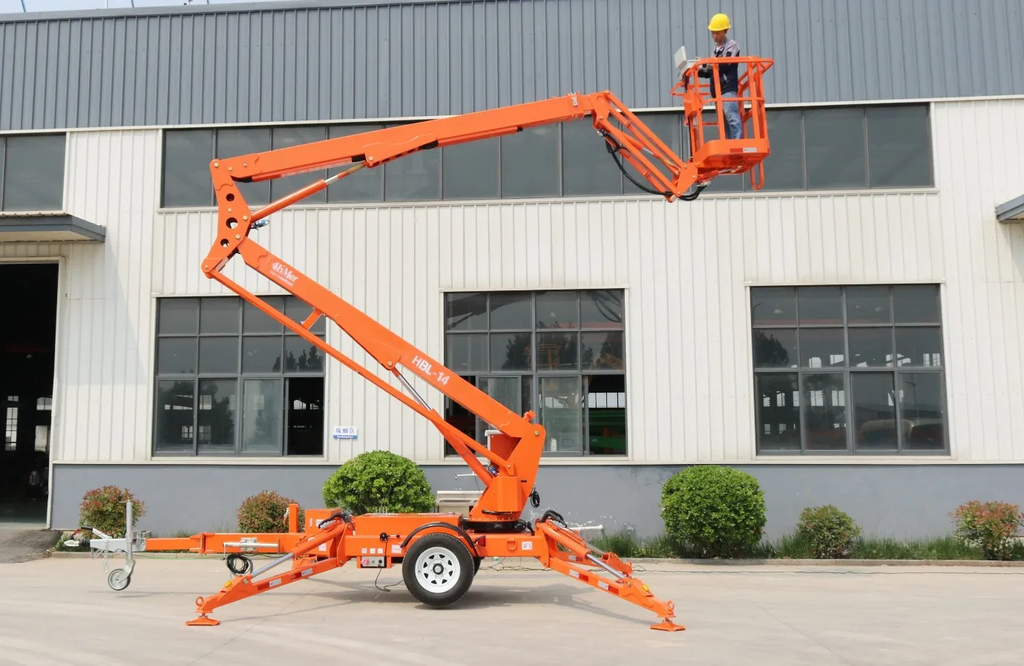
Working at height remains a routine requirement across construction, warehousing, industrial maintenance, facility management, and infrastructure projects. The equipment used for these tasks must provide more than simple elevation. Buyers increasingly look for machines that combine stability, efficient power systems, manageable maintenance needs, and practical safety features. This shift has placed greater attention on how access equipment is designed and manufactured, especially as companies seek solutions suited to both indoor and outdoor working conditions.
A reliable China aerial lift manufacturer plays an important role in meeting this demand by developing access platforms for different working heights, load capacities, and jobsite environments. Modern manufacturers often focus on compact structures, easy maneuverability, durable lifting components, and controls that help operators work efficiently. As international buyers compare suppliers, factors such as engineering quality, production capability, testing procedures, and after-sales support can be just as important as the purchase price.
Why Manufacturing Quality Matters
Lift equipment operates under repeated mechanical stress, which makes manufacturing consistency essential. Key structural parts, including platforms, scissor arms, chassis components, hydraulic systems, and safety rails, must be produced to suitable tolerances. Poor fabrication or weak component selection can affect stability, service life, and maintenance requirements over time.
Manufacturers therefore need controlled production processes, component inspection, and functional testing before equipment reaches the market. Welding quality, hydraulic performance, electrical reliability, and emergency systems all deserve close attention. For buyers, evaluating these areas helps reduce the risk of unexpected downtime and supports more predictable equipment performance during daily operations.
The Role of Scissor Lift Technology
Scissor lifts are widely used because they provide a stable vertical platform for tasks that do not require significant horizontal outreach. They are common in factories, logistics centers, commercial buildings, installation projects, and construction sites. Depending on the application, businesses may choose electric models for indoor use or more robust versions for demanding outdoor environments.
The capabilities of hydraulic scissor lift manufacturers have also expanded as users expect equipment to be easier to operate and maintain. Hydraulic systems remain popular because they can deliver smooth lifting motion and support substantial platform loads. When properly designed, these systems offer a practical balance between lifting performance, mechanical simplicity, and maintenance accessibility.
Choosing Equipment for the Application
Selecting a lift should begin with the actual working environment rather than with height alone. Platform size, rated load, ground conditions, turning space, access width, power source, and frequency of use all influence the most suitable model. A compact electric lift may work well inside a warehouse, while an outdoor project may require greater ground clearance and stronger traction.
Buyers should also consider transport and storage. Equipment that is difficult to move between worksites can create additional logistical costs. Features such as foldable guardrails, compact dimensions, integrated charging systems, and manageable machine weight may provide practical advantages for contractors who frequently relocate equipment.
Safety Features and Operator Confidence
Safety is one of the most important considerations in powered access equipment. Common features can include emergency lowering systems, guardrails, overload protection, braking systems, platform controls, tilt alarms, and clearly marked operating instructions. The exact configuration varies by model and market, but buyers should confirm that the machine meets the safety expectations relevant to its intended use.
Equipment design alone does not replace proper operation. Companies should ensure that operators are trained, daily inspections are performed, and maintenance schedules are followed. A well-designed lift can support safer work, but safe outcomes still depend on responsible use, correct setup, and awareness of site conditions.
Maintenance and Long-Term Value
The purchase price is only one part of equipment cost. Long-term value is influenced by spare-parts availability, routine servicing needs, battery life where applicable, hydraulic component quality, and the ease of diagnosing faults. Machines designed with accessible service points can help reduce maintenance time and simplify routine inspections.
Buyers can also benefit from asking suppliers about parts support, technical documentation, warranty terms, and service guidance before placing an order. Clear documentation and responsive support become especially important when equipment is used across multiple locations or in demanding commercial environments.
Conclusion
Access equipment continues to evolve as industries look for safer, more efficient ways to complete work at height. Aerial lifts and hydraulic scissor lifts now serve a wide range of tasks, from indoor maintenance and warehouse operations to construction and installation projects. Their value depends not only on lifting height but also on stability, usability, durability, and support throughout the equipment lifecycle.
For businesses evaluating new lift equipment, careful supplier assessment is essential. Manufacturing quality, application fit, safety systems, maintenance planning, and after-sales support should all influence the final decision. By focusing on these factors, companies can choose equipment that supports productivity while also contributing to safer and more reliable day-to-day operations.