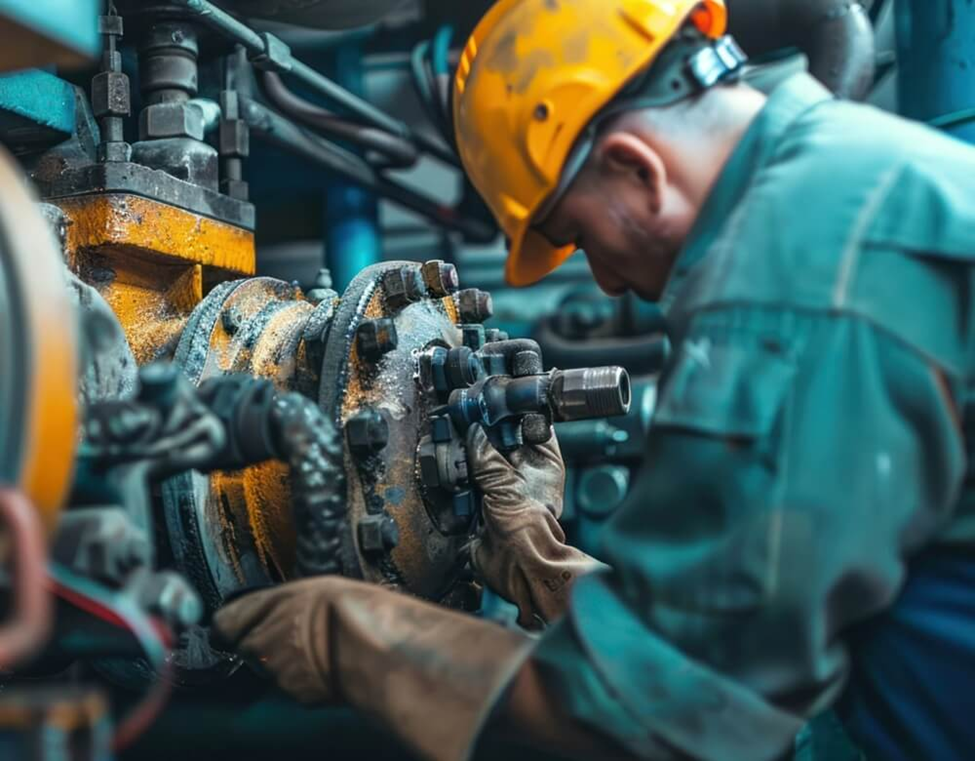
Offshore operations rarely offer the comfort of a fully equipped workshop, extended maintenance windows, or easy access to critical components. When equipment begins to lose performance, operate below specification, or requires intervention on a vessel, offshore platform, or marine installation, decisions must be based on technical evidence rather than assumptions. Salt exposure, constant humidity, changing weather conditions, and continuous workloads accelerate the wear of cranes, hydraulic systems, lifting equipment, and control systems. A single fault can quickly affect personnel safety, project schedules, and the cost of downtime. This is where etmal.com.pl/en supports offshore operators by combining advanced diagnostics, mobile field service, mechanical, hydraulic, and electrical repairs, and comprehensive workshop facilities required to carry out responsible maintenance in demanding marine environments.
The first step is determining what can be done on site
In offshore maintenance, the first decision often concerns not the repair itself, but how it should be carried out. Can the fault be eliminated without dismantling the equipment? Does the component require refurbishment in a workshop? Will continued operation increase the risk of damage to other parts? A properly planned diagnostic process answers these questions before any work begins. It takes into account the reported symptoms, the equipment’s operating history, parts availability, technical conditions, and the risks associated with continued operation. For operators, this means greater control over maintenance time, scope, and overall service planning.
Hydraulic systems require performance analysis, not just visual inspection
In the offshore sector, many machines rely on the stable performance of hydraulic systems. Pressure loss, contaminated hydraulic oil, leaks, overheating, or slower control response can disrupt the operation of the entire mechanism. ETMAL technicians assess hydraulic systems as a whole — from pumps, cylinders, and valves to hoses, filtration systems, and equipment performance under load. This comprehensive approach helps identify the true source of the problem before the most visible symptom is mistaken for the complete diagnosis.
Cranes and lifting equipment must remain predictable
During lifting operations, the reliable performance of the structure, hydraulic system, electrical installation, controls, brakes, wire ropes, and safety systems is essential. Even a minor irregularity can disrupt transport operations, increase the risk of equipment damage, or force an unexpected shutdown. For this reason, maintenance should focus not only on restoring the equipment to operation but also on verifying its readiness to continue working safely under real operating loads.
A service report turns an intervention into a maintenance strategy
Once the work has been completed, operators need clear information about what has been inspected, which components require ongoing monitoring, and when the next inspection should be scheduled. Measurement reports, detailed descriptions of the work performed, and operational recommendations provide valuable support for planning future maintenance, ordering spare parts, and assessing operational risks before the next stage of work.
If your offshore equipment requires diagnostics, repairs, or preparation for its next phase of operation, it is worth discussing the scope of work with ETMAL. The company is a trusted technical partner for offshore operators who require mobile service, professional workshop support, and a responsible maintenance strategy in environments where downtime directly impacts costs, safety, and operational readiness.